
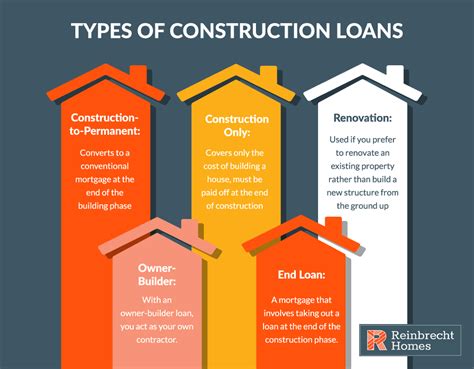
In today’s rapidly evolving real estate market, understanding construction loan rates is essential for builders, investors, and homeowners alike. As these rates fluctuate, they bring both opportunities and challenges that can significantly impact project costs and profitability.
This article delves into the pros and cons of current construction loan rates, providing insights into how they affect various stakeholders in the construction industry. We will examine the benefits of lower interest rates for home builders, the flexibility offered by construction loans, and how these factors influence investment decisions.
Additionally, we’ll compare different loan options to help you make informed choices. Whether you’re a seasoned investor or new to construction financing, our comprehensive guide will equip you with the knowledge needed to navigate the intricacies of today’s loan landscape.
Understanding The Pros Of Current Construction Loan Rates
The construction loan landscape has seen notable shifts, with current rates presenting several advantages for both builders and investors. One of the most prominent pros of the present situation is the accessibility of financing options that cater specifically to the needs of construction projects. This accessibility not only allows for streamlined processes but also encourages more homeowners and developers to embark on their building endeavors.
Additionally, lower interest rates typically translate into reduced overall borrowing costs. This is particularly true for construction loans, where funding is often required in stages. By securing a loan at a lower rate, borrowers can save significantly on their monthly payments, leaving more capital available for other project-related expenses.
Moreover, favorable loan terms may encourage lenders to offer more flexible repayment options. Such flexibility is crucial for those in the construction industry who anticipate variable cash flow based on project timelines. This dynamic can help home builders and developers manage their budgets effectively without compromising quality or timelines.
The current construction loan rates can also stimulate competition among lenders, which could lead to better offers and terms for borrowers. More options mean that individuals seeking financing can review multiple proposals and select one that aligns best with their financial goals.

How Lower Interest Rates Benefit Home Builders
Lower interest rates can significantly impact home builders, offering various financial advantages that contribute to project feasibility and overall profitability. One of the most prominent benefits is the reduction in borrowing costs, which allows builders to finance projects at a lower expense. This directly translates into lower monthly payments, making it easier for builders to manage cash flow and allocate resources efficiently.
Additionally, the pros of lower rates extend to enhancing purchasing power. With reduced interest, builders can afford to invest in better materials or larger projects that might have been financially out of reach during periods of higher interest rates. This can result in higher quality constructions, which can lead to increased market competitiveness and potentially higher sale prices.
Moreover, lower interest rates can lead to more favorable terms on construction loans, such as longer repayment periods or minimal down payments. This flexibility can enable builders to complete projects without the looming pressure of immediate payment obligations, allowing them to focus on delivering quality work.
A more favorable borrowing environment may encourage more builders to enter the market, fostering competition and innovation. The influx of new projects can lead to an overall boost in the economy, as it not only creates jobs but also stimulates demand for various construction-related services and supplies.
Flexible Financing: The Pros Of Construction Loans Explained
One of the most significant advantages of construction loans is their flexibility, which caters specifically to the unique needs of home builders and investors. Unlike traditional mortgage loans that require a lump-sum disbursement, construction loans provide funds in stages or draws, allowing borrowers to pay for the construction costs as they arise.

This structure not only streamlines the financing process but also helps in maintaining budget control by ensuring that funds are released based on the specific milestones reached during construction. If a project encounters unexpected delays or changes in scope, borrowers can adjust their funding needs accordingly without the pressures of a fixed loan amount.
Additionally, the pros of construction loans extend to the interest payment structure. Borrowers typically only pay interest on the amount drawn, rather than the total loan amount, which can result in substantial savings during the construction phase. This way, funds are optimized, allowing for better cash flow management throughout the project.
Overall, the flexibility offered by construction loans makes them an appealing option for those engaging in new builds, major renovations, or multifamily project developments, delivering both financial control and tailored solutions suited to the evolving dynamics of construction financing.
Comparing The Pros And Cons Of Various Loan Options
When it comes to financing construction projects, understanding the different loan options available is crucial. Each type of construction loan has its own set of advantages and disadvantages. Below is a comparison of some popular options:
| Loan Type | Pros | Cons |
|---|---|---|
| Traditional Construction Loans |
|
|
| Owner-Builder Loans |
|
|
| Construction-to-Permanent Loans |
|
|
| FHA 203(k) Loans |
|
|
When analyzing the pros and cons of these various loan options, it’s vital to consider your financial situation, project scope, and long-term goals. Each option has unique features that can suit different needs, making thorough research essential for choosing the right construction financing path.
The Pros Of Current Construction Loan Rates For Investors
Investors in the real estate market often seek opportunities that maximize returns while minimizing risks. Current construction loan rates present several advantages that can be particularly appealing to investors looking to capitalize on new projects. Here are the key pros of these loan rates from an investor’s perspective:
- Lower Borrowing Costs: With the current trend of lower interest rates, investors can finance their projects at a lower cost, which directly impacts their profit margins. Reduced interest payments allow for more capital to be reinvested into the project or other ventures.
- Increased Cash Flow: Favorable construction loan rates enhance cash flow management. This can create more financial flexibility, allowing investors to take on additional projects or cover unexpected expenses without financial strain.
- Leverage Opportunities: Lower construction loan rates enable investors to leverage their capital more effectively. They can invest in larger or more lucrative projects than they could afford if interest rates were higher, leading to potentially higher returns on investment.
- Attractive Investment Environment: Today’s competitive construction landscape, coupled with favorable loan rates, can lead to increased property values. Investors can take advantage of this environment to buy, develop, and sell properties at a profit.
- Improved Project Viability: Lower interest rates make it feasible to undertake projects that might not have been viable under higher rate scenarios. This opens up a wider range of investment options for savvy investors.
the pros of current construction loan rates significantly benefit investors by reducing costs, enhancing cash flow, and increasing project viability. This makes it an ideal time for investors to explore new construction opportunities in the market.

Frequently Asked Questions
What are construction loans?
Construction loans are short-term loans specifically designed to cover the costs of building a new home or making significant renovations to an existing property.
What are the pros of current construction loan rates?
Current construction loan rates can be lower than traditional mortgage rates, providing borrowers with more affordable financing options and allowing them to allocate funds more effectively during the construction phase.
Are there any cons to current construction loan rates?
Yes, one con is that construction loans typically come with stricter requirements, such as higher down payments and detailed project plans, which can limit accessibility for some borrowers.
How do current construction loan rates compare to other types of loans?
Current construction loan rates are usually higher than those for fixed-rate mortgages but can be lower than other short-term financing options, making them competitive for specific projects.
What factors influence construction loan rates?
Construction loan rates are influenced by various factors, including interest rates set by the Federal Reserve, the borrower’s credit score, the location of the property, and the overall economic climate.
How can borrowers secure better construction loan rates?
Borrowers can secure better construction loan rates by improving their credit score, providing detailed project plans to reassure lenders, and shopping around for the best offers from different lenders.
What should borrowers consider before taking out a construction loan?
Before taking out a construction loan, borrowers should consider their budget, the total cost of the project, the duration of the loan, and their capacity to handle potential overruns or delays.
Leave a Reply