
Navigating the world of construction loans can be daunting, particularly when it comes to understanding the fine print of construction loan rates. Whether you’re a first-time builder or an experienced developer, having a comprehensive grasp of what factors influence your loan rates is crucial for making informed financial decisions.
From the importance of credit scores to the implications of loan terms, various nuances determine the affordability and accessibility of construction financing. This article delves into the key elements that shape construction loan rates, compares fixed and variable options, and offers tips for securing favorable terms.
By unpacking these critical components, we aim to empower you with the knowledge needed to optimize your construction financing strategy and ultimately achieve your building goals.
Key Factors Influencing Construction Loan Rates
When it comes to understanding the Understanding The intricacies of construction loan rates, several key factors play a significant role in determining the rates you may encounter. Here are some of the most influential elements to consider:
- Loan Amount: The total amount you wish to borrow can impact your rate. Typically, higher loan amounts may attract different pricing.
- Property Location: The geographic area of your construction project may also influence rates. Areas with high demand or economic growth may see different rate structures.
- Loan Duration: Longer loan terms may come with higher interest rates as the lender is exposed to risk for a more extended period.
- Down Payment: A larger down payment can demonstrate financial stability, often resulting in more favorable rates.
- Market Conditions: The broader economic environment, including prevailing interest rates and inflation, can directly impact construction loan rates.
- Borrower’s Financial Profile: Lenders assess your financial health, including income, assets, and debt-to-income ratio, which can influence your rate significantly.
Understanding these factors is vital for making informed decisions and obtaining the best possible terms on your construction loan. By taking these elements into consideration, you can better prepare for discussions with lenders and secure financing that aligns with your financial goals.
Understanding The Importance Of Credit Scores
Your credit score plays a crucial role in determining the interest rates you receive on construction loans. Lenders rely on this score to assess your creditworthiness and the risk involved in lending to you. This is particularly important in the context of Understanding The various factors that can impact your loan terms.
A higher credit score typically means you are viewed as a lower risk borrower, which can lead to more favorable loan options and lower interest rates. Conversely, a poor credit score may result in higher rates or even denial of the loan application altogether.
Here are some key points to consider when it comes to credit scores and construction loans:
- Range of Scores: Credit scores usually range from 300 to 850. A score above 700 is generally considered good, while scores below 600 are often seen as risky.
- Impact on Rates: Each lender may have different thresholds for interest rates based on your credit score, but typically, higher scores lead to lower rates.
- Credit Report Review: Lenders will pull your credit report, which details your borrowing history and any outstanding debts. It’s essential to review your report for accuracy before applying for a loan.
- Improving Your Score: If your credit score is lower than desired, consider taking steps like paying off existing debts or ensuring all bills are paid on time to improve your score prior to applying for a loan.
Understanding The significance of your credit score is key when seeking construction loans. Whether you’re building your dream home or undertaking a large renovation, making informed decisions about your financial health can save you money in the long run.
How Loan Terms Affect Your Construction Rate
When navigating the intricacies of construction loans, understanding the loan terms is crucial as they can significantly impact your overall rate. Various factors associated with the terms influence the cost of borrowing, including the length of the loan, repayment schedule, and interest rates.
Typically, construction loans are short-term, usually lasting anywhere from six months to a few years. If you opt for a longer loan term, you may enjoy lower monthly payments, but this might result in higher overall interest paid over the life of the loan. Therefore, it’s essential to weigh the pros and cons of shorter versus longer loan terms to find the best fit for your financial situation.
The repayment schedule is another essential aspect of loan terms. Loans that require interest-only payments during the construction phase may seem attractive; however, they often lead to a larger final payment or balloon payment at the end. On the other hand, loans that require monthly principal and interest payments will require higher monthly payments but can provide a more predictable budgeting pathway.
Interest rates can also vary based on the terms of the loan. Generally, lenders offer lower rates for shorter-term loans due to decreased risk. Additionally, loans with favorable terms may be more accessible to borrowers with higher credit scores, leading to lower rates overall. Thus, your financial standing and the specific terms of your construction loan can create a significant disparity in the final interest rate.
When understanding the loan terms related to your construction loan, it’s vital to consider how various elements such as loan length, repayment structure, and interest rates correlate with each other. Taking the time to analyze each factor ensures you secure the most favorable construction loan rate possible.
Comparing Fixed Vs. Variable Construction Loan Rates
When considering Understanding The best financing options for your construction project, one of the most crucial decisions you’ll need to make revolves around the type of loan rate you choose: fixed or variable. Each option has its pros and cons, and your choice can significantly impact your overall borrowing costs.
A fixed-rate construction loan offers stability and predictability. With a fixed rate, your interest rate remains constant throughout the life of the loan, making budgeting simpler. This can be particularly advantageous in a rising interest rate environment, as it locks in a set rate for the duration of your construction project.
On the other hand, a variable-rate construction loan, also known as an adjustable-rate mortgage (ARM), features interest rates that can fluctuate over time based on market conditions. This could potentially lead to lower initial payments compared to a fixed-rate loan. If you enter a period of declining rates, you might enjoy reduced payments as your interest rate adjusts downward. However, this option comes with inherent risks; should rates rise, your payments could increase significantly, making long-term financial planning more challenging.

Here are some key considerations when comparing fixed and variable rates:
- Budgeting and Financial Stability: Fixed rates provide certainty, while variable rates may fluctuate.
- Interest Rate Environment: Consider current trends; fixed rates may protect you in rising markets.
- Loan Duration: Assess how long you plan to hold the loan; variable loans can be more appealing for shorter terms.
- Risk Tolerance: Understand your comfort level with potential payment changes in variable loans.
The choice between fixed and variable construction loan rates depends on your individual financial situation, risk tolerance, and market outlook. Make sure to weigh these factors carefully to make an informed decision that aligns with your specific construction goals.
Tips For Securing Favorable Construction Loan Terms
Securing favorable construction loan terms can significantly impact the overall cost of your project. Here are some essential tips to help you get the best rates and terms:
- Understanding The market trends: Stay informed about current interest rates and economic conditions. Understanding The local housing market can provide insights into when is the best time to seek a loan.
- Enhance your credit profile: A higher credit score can lead to better terms. Consider paying down existing debts, ensuring timely payments, and avoiding new credit inquiries before applying.
- Provide a robust project plan: Lenders are more likely to offer favorable terms if they see a well-thought-out project plan. Include detailed budgets, timelines, and contingency plans to instill confidence in your proposal.
- Shop around: Different lenders offer varying rates and terms. Comparing multiple lenders can help you identify the best offers and negotiate better terms.
- Consider a larger down payment: A larger down payment can reduce the lender’s risk and may earn you a more favorable interest rate.
- Work with a mortgage broker: A knowledgeable broker can guide you to lenders with the best rates tailored to your needs and help you navigate the loan process.
- Be prepared for documentation: Having all required documentation ready, such as income statements, tax returns, and project details, will expedite the process and can reflect positively on your application.
By applying these strategies, you can improve your chances of securing favorable construction loan terms, making your building project more financially manageable.

Frequently Asked Questions
What are construction loan rates?
Construction loan rates refer to the interest rates charged on loans specifically designed for financing the construction of a building or property.
How do construction loan rates differ from traditional mortgage rates?
Construction loan rates are generally higher than traditional mortgage rates due to the increased risk associated with financing a property that is not yet complete.
What factors influence construction loan rates?
Factors influencing construction loan rates include the borrower’s credit score, the size and type of the project, loan-to-value ratio, and current market conditions.
Are there different types of construction loans?
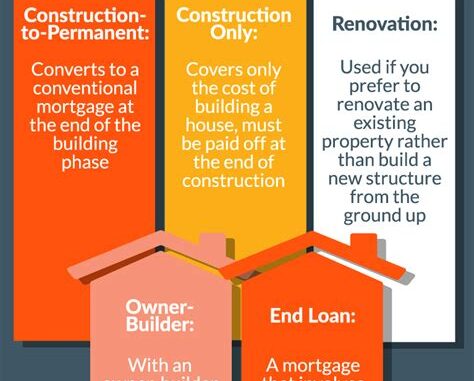
Yes, there are different types of construction loans, including construction-to-permanent loans, stand-alone construction loans, and renovation loans.
What does the term ‘draw schedule’ mean in relation to construction loans?
A draw schedule is a timeline that specifies when funds will be released to the borrower during the construction process, based on the completion of predetermined project milestones.
Can construction loan rates be locked in?
Yes, some lenders allow borrowers to lock in a construction loan rate for a specified period, providing protection against potential rate increases.
What should borrowers look for when comparing construction loan rates?
Borrowers should compare interest rates, fees, terms, and conditions, as well as lender reputations and customer service when evaluating construction loan options.
Leave a Reply