
When embarking on a construction project, understanding the financial implications of securing a construction loan is crucial for successful budgeting and project execution. Central to this decision are construction loan interest rates, which can significantly impact the overall cost of a project.
In this article, we will delve into the intricacies of construction loan interest rates, exploring the various factors that influence them and how they can affect your project’s bottom line. We will conduct a comparative analysis of lenders’ rates, evaluate the cost-effectiveness of fixed versus variable rates, and provide insights to help you make informed financial decisions.
With a thorough understanding of these elements, you can better navigate the complexities of construction financing, ensuring that your dream project stays within budget while maximizing your investment.
Understanding Construction Loan Interest Rates
When it comes to financing construction projects, a clear understanding of analyzing the cost of construction loan interest rates is crucial. These rates can significantly influence the total cost of your project and, consequently, its overall feasibility. Construction loans typically have higher interest rates compared to traditional mortgage loans due to their short-term nature and perceived risks involved.
Generally, construction loans are structured as either fixed or variable rates. Fixed-rate loans lock in an interest rate for the duration of the loan, providing stability against fluctuating market rates. On the other hand, variable-rate loans may start with lower initial rates but can increase over time based on market conditions, which can affect long-term budgets and final costs.
Another essential aspect is the loan-to-value (LTV) ratio, which lenders often use to determine the interest rate offered. A lower LTV may yield a better rate since it indicates less risk for the lender. Conversely, higher LTVs often mean higher interest rates, leading to additional costs for the borrower.
Moreover, the creditworthiness of the borrower plays a significant role in determining the interest rates on construction loans. Lenders favor borrowers with strong credit histories and financial stability, often translating into more favorable interest rates. It’s important to enhance your credit score before applying for a construction loan, as even modest improvements can yield substantial savings over the life of the loan.
Understanding the terms and conditions of each lender is vital. Some lenders may offer concessions such as lower fees or better interest rates in exchange for the borrower choosing a specific path or fulfilling certain criteria. Always evaluate these terms carefully as they will influence the overall cost of financing your construction project.
Factors Affecting Construction Loan Interest Rates
When analyzing the cost-effectiveness of construction loans, it’s crucial to understand the various factors that influence interest rates. These factors can significantly impact the overall cost of financing a construction project, affecting budgets and timelines. Here are some key elements that affect construction loan interest rates:
- Credit Score: Borrowers with higher credit scores typically qualify for lower interest rates. Lenders view them as less risky, which can lead to better terms on loans.
- Loan-to-Value Ratio (LTV): This ratio compares the loan amount to the appraised value of the property. A lower LTV often results in lower interest rates, as it indicates less risk to the lender.
- Market Conditions: Economic conditions, including inflation, supply chain issues, and the overall demand for construction projects, can influence interest rates. Rising rates are common during inflationary periods.
- Project Type and Location: Different types of construction projects (e.g., residential vs. commercial) and their geographic locations can affect rates. Lenders may charge higher rates for projects in high-risk areas.
- Loan Amount: The size of the loan can influence the interest rate. Smaller loans may carry higher rates due to the increased risk for lenders.
- Duration of the Loan: Short-term loans often have lower rates compared to long-term loans, as lenders assess risk differently over various time frames.
- Construction Plans and Timelines: Detailed, well-structured construction plans with realistic timelines can positively affect interest rates, as they reduce uncertainty for lenders.
Understanding these factors is essential for borrowers to make informed decisions when seeking financing for their construction projects. By carefully considering these elements, individuals can improve their chances of securing favorable loan terms and ultimately enhance the analyzing the cost-effectiveness of their overall financing strategy.
Analyzing the Impact of Interest Rates on Project Budgets
When it comes to construction projects, accurately analyzing the financial implications of interest rates is crucial for budget management. Construction loan interest rates can significantly influence the overall cost of a project, impacting everything from cash flow to the final expenditure. Understanding this impact is essential for homeowners, builders, and developers alike.
Higher interest rates increase borrowing costs, which can stretch project budgets and potentially lead to financial strain. For instance, a spike in interest rates could raise the monthly payments on a construction loan, reducing available funds for other project necessities like labor and materials. This could result in delays or a compromise in quality as budget constraints tighten.
Conversely, lower interest rates present an opportunity for cost savings. They allow borrowers to allocate more of their budget towards critical elements of the project, fostering timely completion and potentially enhancing the quality of work. As such, the timing of securing a construction loan can be as important as the interest rate itself.
Project managers and financial planners should conduct frequent assessments to gauge how fluctuations in interest rates can affect financial projections. Implementing a robust financial strategy that includes worst-case scenarios for interest rate hikes can also safeguard projects against unexpected cost overruns, ensuring that funds are available when needed.
Effectively analyzing the impact of interest rates on project budgets is integral to maintaining financial health during the construction process. It necessitates careful planning and adjustment to optimize budget allocations while mitigating the risks associated with variable interest rates.
Comparative Analysis of Lenders’ Construction Loan Rates
When analyzing the cost-effectiveness of construction loans, comparing the interest rates offered by various lenders is crucial. Interest rates can significantly differ among lenders, impacting the overall cost of the loan. This section focuses on a comprehensive breakdown of different lenders’ construction loan rates to provide insights into which options may be the most financially viable for borrowers.
To conduct a proper comparative analysis, one can consider the following key elements:
- Rate Types: Lenders may offer fixed or variable interest rates. Understanding these options helps assess stability versus potential fluctuations in payments over time.
- Annual Percentage Rate (APR): Look beyond nominal rates and consider the APR, which reflects the total cost of borrowing, including fees and additional costs.
- Credit Requirements: Different lenders often have varying credit score requirements, which can affect the rates offered. Higher credit scores typically qualify for better rates.
- Loan Amount and Term: The size and duration of the loan can influence the interest rates, as lenders may have different pricing strategies based on these factors.
- Loan-to-Value Ratio (LTV): A higher LTV can result in higher rates. Understanding how much equity you need can help you negotiate better rates.
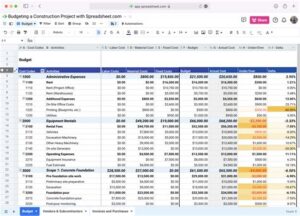
To illustrate these comparisons effectively, consider creating a table that lists various lenders side by side, showing their interest rates, APR, and other relevant details. This visual representation aids borrowers in quickly assessing which lender might meet their financial needs best.
When selecting a lender, it’s also beneficial to evaluate additional factors such as the lender’s reputation, customer service, and processing speed, as these can also significantly impact the construction financing experience.
A meticulous analysis of the construction loan rates offered by different lenders is essential. By comparing rates, fees, and other terms, borrowers can make informed decisions that align with their budget and project requirements.
Evaluating Cost-Effectiveness of Fixed vs. Variable Rates
When it comes to analyzing the cost-effectiveness of construction loans, one of the most critical decisions borrowers face is whether to opt for fixed or variable interest rates. Each option presents unique advantages and disadvantages that can significantly impact overall project costs.
Fixed rates offer certainty and stability because they lock in an interest rate for the entire duration of the loan. This predictability can be advantageous for budgeting purposes, particularly for long-term projects. Borrowers can accurately forecast their monthly payments without worrying about fluctuations in market rates.
On the other hand, variable rates typically start lower than fixed rates, which can lead to lower initial payments. However, they carry the risk of increasing over time, potentially leading to higher overall costs if market rates rise. This variability can make planning more challenging, as unexpected rate increases might strain project budgets.

To determine which option is more cost-effective, borrowers should consider factors such as:
- Project Duration: Fixed rates may be more beneficial for longer projects, while variable rates could work for shorter ones.
- Market Trends: Analyzing current and projected interest rate trends is crucial; if rates are expected to remain stable or decrease, a variable rate may be more attractive.
- Risk Tolerance: Borrowers with a lower risk tolerance may prefer the security of fixed rates to avoid potential budget overruns.
Evaluating the cost-effectiveness of fixed vs. variable rates involves a careful assessment of individual circumstances, projected cash flows, and risk appetite. By thoroughly examining these elements, borrowers can make an informed decision that aligns with their financial goals and project needs.
Frequently Asked Questions
What is the primary focus of the blog post?
The blog post primarily focuses on analyzing the cost-effectiveness of construction loan interest rates and how they impact overall project budgeting.
Why are construction loan interest rates important to consider?
Construction loan interest rates are crucial because they directly affect the total cost of financing a project, influencing both cash flow and return on investment.
How can fluctuating interest rates affect a construction project?
Fluctuating interest rates can lead to increased borrowing costs, altering the initial budget, and potentially delaying project timelines if not properly managed.
What are some methods to mitigate the risks associated with construction loan interest rates?
Some methods to mitigate these risks include locking in interest rates, shopping around for the best rates, or exploring fixed-rate loans versus variable-rate loans.
How does the loan-to-value (LTV) ratio relate to interest rates?
A higher loan-to-value (LTV) ratio may lead to higher interest rates, as lenders perceive greater risk in financing a larger percentage of the property’s value.
What role does the credit score play in determining construction loan interest rates?
A borrower’s credit score heavily influences the interest rate offered; a higher credit score typically results in lower interest rates, reflecting reduced lender risk.
What should borrowers consider when comparing construction loan offers?
Borrowers should consider not just the interest rates but also fees, loan terms, repayment schedules, and flexibility in loan conditions when comparing construction loan offers.
Leave a Reply