
Navigating the financial landscape of construction loans can be daunting, especially when it comes to understanding interest rates. Whether you’re a seasoned contractor or a first-time builder, grasping how to calculate your construction loan interest rates is essential for making informed decisions.
This article breaks down the complexities, offering a clear understanding of loan terms and the various factors that influence your rates. With a step-by-step guide, we’ll help you navigate the calculations, spotlight common pitfalls to avoid, and introduce useful tools and resources that simplify the process.
By the end of this guide, you’ll be equipped with the knowledge to approach your construction loan with confidence and clarity. Let’s begin your journey toward achieving your construction goals without the stress of unexpected financial burdens.
Understanding Loan Terms: How To Calculate Your Interest Rates
To effectively understand how to calculate your construction loan interest rates, it is crucial to comprehend the fundamental loan terms that directly impact your calculations. Here are several key terms and concepts that will help you navigate the process:
- Principal: This is the total amount of money you are borrowing from the lender. Understanding the principal is vital, as interest is calculated based on this amount.
- Interest Rate: The interest rate is the percentage of the principal that the lender charges for borrowing the money. This rate can be fixed or variable and is typically expressed as an annual percentage rate (APR).
- Loan Term: The loan term is the duration over which you agree to repay the loan. It can significantly influence your monthly payments, as a longer term typically results in lower monthly payments, but more interest paid over time.
- Amortization: This term refers to the process of gradually paying off the loan through scheduled payments, which include both principal and interest. Understanding amortization is vital when calculating how much of your monthly payment goes toward interest versus principal;
- Points: Points are upfront fees paid to the lender at closing, intended to reduce your ongoing interest rate. Understanding whether to pay points can be a valuable part of your overall interest rate strategy.
To calculate your interest rates accurately, you must gather all relevant information regarding the principal amount, interest rate, loan term, and any additional costs, such as points. This information will help you make informed decisions while considering how to minimize your interest costs and choose the best loan option for your construction project.
Factors Influencing Construction Loan Interest Rates You Should Know

Understanding the elements that affect construction loan interest rates is crucial for borrowers aiming to secure the best possible terms. Here are some of the key factors that play a significant role in determining your loan’s interest rates:
- Market Conditions: The overall economic environment can heavily influence interest rates. When the economy is strong and demand for loans is high, rates may increase. Conversely, in a weaker economy, rates may decrease to encourage borrowing.
- Credit Score: Your creditworthiness is critical in determining your interest rate. A higher credit score often correlates with lower interest rates, as lenders consider you a lower risk.
- Loan-to-Value Ratio (LTV): This ratio, which compares the amount of the loan to the appraised value of the property, affects your interest rate. A lower LTV generally results in a better interest rate, as it indicates less risk for the lender.
- Debt-to-Income Ratio (DTI): Lenders assess your DTI to evaluate your ability to manage monthly payments. A lower DTI suggests better financial health and can lead to more favorable interest rates.
- Construction Type: The nature of the construction project (e.g., residential vs. commercial, new builds vs. renovations) impacts rates. Typically, more complex or larger projects may attract higher rates due to increased risk.
- Loan Duration: The length of the construction loan also matters. Shorter-term loans usually have lower interest rates compared to longer-term loans, reflecting lenders’ risk assessments.
- Location: The geographic area of the property can influence interest rates due to local economic conditions, regulatory environments, and market demand.
By understanding these factors, you can better navigate the complexities of securing a construction loan and enhance your ability to calculate your anticipated interest rates effectively.
Step-By-Step Guide: How To Calculate Your Construction Loan Interest
Calculating your construction loan interest is crucial for managing your finances effectively. Here’s a step-by-step guide to help you through the process:
- Understand Your Loan Amount: Begin by determining the total amount of your construction loan. This is the principal on which the interest will be calculated.
- Know Your Interest Rate: Identify the interest rate quoted by your lender. This can either be a fixed or adjustable rate depending on your loan terms.
- Determine the Loan Term: Establish the duration of your loan, typically expressed in months or years. For construction loans, the term may vary based on project timelines.
- Calculate Monthly Payments: Use the formula for calculating monthly payments on a loan:M = P[r(1 + r)^n] / [(1 + r)^n – 1]
Where:
M = Total monthly mortgage payment
P = The loan amount (principal)
r = Your monthly interest rate. (annual rate divided by 12)
n = Number of payments (loan term in months) - Estimate Interest Costs: Over the life of the loan, you’ll want to calculate the total interest paid. Multiply your monthly payment by the number of months and subtract the original loan amount.
- Consider Draw Schedules: If you are disbursing funds through a draw schedule, calculate interest based on the amount drawn at each period rather than the full loan amount.
- Review and Adjust: Maintain regular checks on interest rates and overall costs, especially if you’re in an adjustable-rate scenario, to ensure you’re making the most informed decisions.
By following these steps on how to calculate your construction loan interest, you can better plan for your financial obligations and avoid common pitfalls associated with construction financing.
Common Mistakes When Calculating Construction Loan Interest Rates
Calculating construction loan interest rates can be a complex process, and there are several common mistakes that borrowers often make. Being aware of these pitfalls can help ensure accuracy and better financial decisions. Here are some typical errors to watch out for:
- Rounding Errors: One of the most frequent mistakes is miscalculating interest due to rounding errors. It’s crucial to maintain precision throughout calculations to avoid under- or overestimating costs.
- Ignoring Fees: Many borrowers focus solely on the interest rate without considering additional fees associated with construction loans, such as origination fees and closing costs. These can significantly affect the overall cost of the loan.
- Using Incorrect Loan Amount: Ensure that you are using the correct amount needed for your project. Incorrectly estimating the cost of construction can lead to unexpected surprises down the line.
- Not Considering Variable Rates: Many construction loans come with variable interest rates that can change over time. Failing to account for potential future increases can result in budgeting issues.
- Overlooking Payment Frequency: Interest can be calculated based on different payment frequencies, such as monthly or bi-weekly. Not understanding how these frequencies affect the total interest paid can lead to poor financial planning.
- Failing to Calculate Draw Schedules: Construction loans often involve draw schedules where funds are released at certain stages. Not calculating interest based on actual funds drawn can lead to miscalculations in total interest owed.
- Assuming All Lenders Are Equal: Different lenders may have varying interest rates and terms. Always compare offers to ensure you are getting the best deal available.
Avoiding these common mistakes is essential in accurately calculating your construction loan interest rates and ensuring you are prepared for the financial commitment involved in your construction project.
Tools and Resources: How To Simplify Your Interest Rate Calculations
Calculating your construction loan interest rates can often be complex, but there are numerous tools and resources that can help streamline the process. Here are some effective options to consider:
- Online Calculators: Many financial websites offer free construction loan interest rate calculators that allow you to input your loan amount, term, and interest rates. These calculators provide immediate results, helping you understand your monthly payments and total interest.
- Spreadsheet Software: Utilizing programs like Microsoft Excel or Google Sheets can simplify your calculations. You can create a customized loan amortization table that adjusts based on varying interest rates and loan terms.
- Mobile Apps: There are various financial apps available for both iOS and Android that specialize in loan calculations. These apps can provide quick estimates and keep all your financial data organized in one place.
- Financial Advisor Services: Consulting with a financial advisor can be particularly beneficial. They can provide personal insights and recommendations tailored to your specific financial situation, thereby ensuring that you are making informed decisions regarding your construction loan.
- Bank Resources: Many banks and financial institutions offer tools on their websites to assist potential borrowers. These resources often include informative articles, FAQs, and customer support to guide you through the calculations.
By leveraging these tools and resources, calculating construction loan interest rates becomes a manageable task, ultimately helping you make informed decisions regarding your financing options.

Frequently Asked Questions
What is a construction loan?
A construction loan is a short-term loan specifically for funding the construction of a new building or renovation of an existing structure.
How are interest rates on construction loans calculated?
Interest rates on construction loans are typically calculated based on several factors including the borrower’s credit score, the loan amount, the loan-to-value ratio, and current market rates.
Are construction loan interest rates fixed or variable?
Construction loan interest rates are usually variable, meaning they can fluctuate based on the prime rate or other market indicators during the life of the loan.
What factors can affect the interest rate offered for a construction loan?
Factors that can affect the interest rate include the borrower’s creditworthiness, the loan amount, the lender’s policies, and overall economic conditions.
What is the typical duration of a construction loan?
Construction loans typically range from six months to two years, depending on the scope of the project and lender terms.
How do lenders determine the disbursement schedule for loan funds?
Lenders often determine disbursement schedules based on construction milestones, requiring inspections before releasing funds for each phase of the project.
Can I refinance a construction loan to a permanent mortgage?
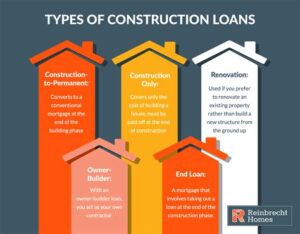
Yes, many borrowers choose to refinance their construction loans into permanent mortgages once the construction is complete, often referred to as ‘construction-to-permanent’ loans.
Leave a Reply