

Are you planning a construction project but feeling daunted by high interest rates on loans? You’re not alone. Many homeowners and builders grapple with the costs associated with financing construction, but there are effective strategies to help you secure lower interest rates. In this comprehensive guide, we will explore the fundamentals of construction loans, offer tips on comparing lenders, and provide insights on negotiating terms.
Furthermore, we’ll discuss how improving your credit score can significantly impact your financing options and examine the different loan types that may affect your interest rates. Whether you’re a first-time builder or a seasoned contractor, our expert advice will empower you to make informed financial decisions and save money throughout your construction journey. Dive in to discover how you can reduce your construction loan interest rates today!
Understanding The Basics Of Construction Loans
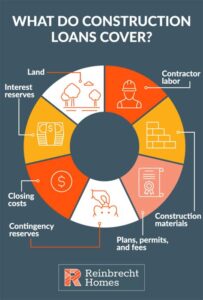
Construction loans are short-term, high-interest loans used to finance the building of a home or other real estate projects. Unlike traditional mortgage loans, which usually cover the purchase price of a completed property, construction loans provide funds to cover various costs associated with the construction process. Understanding the key elements of construction loans can help you make informed decisions about your financing options.
Here are some essential aspects to consider:
- Types of Construction Loans: There are several types of construction loans, including construction-to-permanent loans, stand-alone construction loans, and renovation loans. Each type has its own terms, benefits, and drawbacks, so it’s important to choose one that aligns with your financial goals.
- Disbursement of Funds: Funds from a construction loan are typically released in stages, known as draws. As the project progresses, lenders will conduct inspections to verify that specific milestones have been met before disbursing additional funds.
- Interest Rates: Interest rates on construction loans are generally higher than those of traditional mortgages due to the higher risk involved in lending for unfinished projects. Understanding how these rates are determined and what factors influence them can help you identify opportunities for savings.
- Loan Duration: Construction loans are typically short-term, lasting anywhere from six months to a few years, and are designed to be paid off once the construction is completed, often through a permanent mortgage.
- Payment Structure: During the construction phase, you may only be required to pay interest on the drawn amounts rather than the total loan amount. This can make initial payments more manageable as your project progresses.
By grasping these fundamentals, you will be better equipped to navigate the complexities of construction financing, which can ultimately lead to reduced interest rates and more favorable loan terms when you decide how to secure your construction loan.
How To Compare Lenders For Better Rates
When searching for the best interest rates for your construction loan, it’s crucial to how to effectively compare lenders. Here are some key steps you can follow to ensure you get the most competitive rates:
- Research Multiple Lenders: Start by gathering information from a variety of lenders including banks, credit unions, and online lenders. Each lender may offer different rates and terms, so having multiple options is essential.
- Check APR and Fees: Look beyond the interest rate. The Annual Percentage Rate (APR) gives a fuller picture of the loan’s cost by including fees and other costs. This helps you understand the total amount you will pay over the life of the loan.
- Evaluate Terms and Conditions: Read the fine print carefully. Different lenders may have varying terms regarding disbursement schedules, prepayment penalties, and conversion options. Understanding these terms will help you compare offers effectively.
- Seek Recommendations: Ask friends, family, or real estate professionals for recommendations on reliable lenders. Personal experiences can provide valuable insights into the lender’s reputation and customer service.
- Consider Your Financial Situation: Assess your personal finances, including your credit score, debt-to-income ratio, and savings. Lenders might offer better rates to borrowers with strong financial backgrounds. This assessment can guide you in choosing lenders that cater to your financial profile.
- Get Pre-Approved: Request pre-approval from multiple lenders. This process not only gives you a conditional loan amount but also shows you the rates you are eligible for, making it easier to compare offers.
- Utilize Loan Comparison Tools: Online tools and websites can provide a side-by-side comparison of loan offers from different lenders. These tools can help streamline your research and highlight the most competitive options.
By following these steps, you can effectively determine how to select the best lender for your construction loan needs, ultimately leading to lower interest rates and more favorable terms. Always remember to revisit your options periodically, as market conditions may change and influence rates.
Negotiating Terms To Lower Your Interest Rate
Negotiating the terms of your construction loan can significantly impact your overall interest costs, making it essential to approach this process with a clear strategy. Here are some effective tips on how to navigate this important aspect of your financing.
1. Research Market Rates: Before entering negotiations, it’s crucial to know the current market rates for construction loans. Being informed about average interest rates allows you to advocate for more favorable terms confidently.
2. Leverage Your Creditworthiness: If you have a solid credit score, use it to your advantage. Lenders are more likely to provide better terms to borrowers with strong credit profiles. Highlight your financial stability during negotiations.
3. Be Willing to Shop Around: Don’t settle for the first offer you receive. Speak with multiple lenders to compare their terms and rates. Showing that you have alternatives can motivate lenders to improve their offers to stay competitive.
4. Discuss Loan-to-Value Ratios: A lower loan-to-value (LTV) ratio demonstrates less risk for lenders. If you can contribute a larger down payment, negotiate for a lower interest rate based on this reduced risk.
5. Consider Rate Locks: When interest rates fluctuate, you may want to negotiate a rate lock agreement with your lender. This ensures that your interest rate is locked in, protecting you from future increases during the construction period.
6. Ask About Discounts: Inquire if your lender offers any discounts for certain criteria, such as automatic payments or loyalty programs. These small adjustments can accumulate over the duration of the loan.
7. Be Prepared to Walk Away: One of the most powerful tools in negotiation is the willingness to walk away. If the terms do not meet your expectations, be prepared to seek other options. This mindset can encourage lenders to offer better terms to keep your business.
In conclusion, focusing on how to effectively negotiate your construction loan terms can lead to a more favorable interest rate, reducing your long-term financial burden.
Improving Your Credit Score For Better Financing
One of the most effective ways to how to secure lower interest rates on your construction loans is by improving your credit score. Lenders view your credit score as a benchmark of your creditworthiness, and a higher score generally translates to better loan terms, including lower interest rates. Here are some essential steps to consider:

- Check Your Credit Report: Start by reviewing your credit report for any inaccuracies or errors that could be negatively impacting your score. You can request a free report from the major credit bureaus.
- Pay Your Bills On Time: Timely payments on your existing debts, such as credit cards, student loans, and other loans, can significantly improve your credit history. Setting up reminders or automatic payments can help.
- Reduce Credit Card Balances: Aim to keep your credit utilization ratio below 30%. Pay down existing balances or consider requesting higher credit limits to improve this ratio without increasing spending.
- Avoid Opening New Credit: Each time you apply for new credit, a hard inquiry is made on your report, which can temporarily lower your score. Instead, focus on managing your current debts responsibly.
- Maintain a Diverse Credit Mix: A varied credit mix, including installment loans (like mortgages or auto loans) and revolving credit (like credit cards), can positively affect your score, demonstrating your ability to handle different types of credit.
By taking these proactive steps, you not only enhance your credit score but also position yourself for more favorable financing options. Remember, the higher your credit score, the greater your potential savings when it comes to how to reduce your construction loan interest rates.
The Impact Of Loan Types On Interest Rates
When considering a construction loan, it’s crucial to understand that different types of loans can significantly affect your interest rates. The primary categories include fixed-rate loans, variable-rate loans, and construction-to-permanent loans. Each type has its own characteristics and pricing structures, which can lead to varying interest rates.
Fixed-rate loans generally offer a stable interest rate throughout the life of the loan. This predictability can be beneficial for budgeting, yet it might come with slightly higher rates compared to other options. On the other hand, variable-rate loans, also known as adjustable-rate loans, typically start with lower rates, which can fluctuate based on market conditions. While these may seem attractive initially, the unpredictability can pose risks if rates increase over time.
Additionally, construction-to-permanent loans are a hybrid option that combines financing for the construction period with a permanent mortgage. These loans often have favorable terms and can lower your interest rates if you meet specific lending criteria.
Understanding the implications of these loan types can help you make informed decisions about how to secure the best financing terms. When shopping for loans, always consider how each type may affect not only your current financial situation but also your long-term mortgage costs.

Frequently Asked Questions
What factors influence construction loan interest rates?
Construction loan interest rates are influenced by several factors including the borrower’s credit score, the loan-to-value (LTV) ratio, the overall economic environment, and the lender’s specific policies.
How can a good credit score help in lowering interest rates?
A good credit score demonstrates to lenders that a borrower is financially responsible, which can lead to lower interest rates, as lenders typically offer better terms to those with a lower risk of default.
What is the loan-to-value (LTV) ratio and why is it important?
The loan-to-value ratio is a financial term that compares the amount of a loan to the appraised value of the property. A lower LTV ratio can help secure lower interest rates since it indicates a lower risk to the lender.
Should I shop around for different lenders?
Yes, shopping around for different lenders can help you find more competitive interest rates and terms, potentially saving you a significant amount of money over the life of the loan.
Is it beneficial to make a larger down payment?
Yes, making a larger down payment reduces the loan amount, which can lower your LTV ratio and may result in a lower interest rate offered by lenders.
How does the overall economic environment affect construction loan rates?
The overall economic environment affects interest rates through factors such as inflation, the Federal Reserve’s monetary policy, and market demand for loans. When the economy is strong, rates may be higher, while during a downturn, rates may lower to encourage borrowing.
What role does the type of construction project play in interest rates?
The type of construction project can impact interest rates as lenders may perceive certain projects (like commercial vs. residential) as riskier than others. Understanding the market dynamics around your project can help you negotiate better rates.
Leave a Reply