
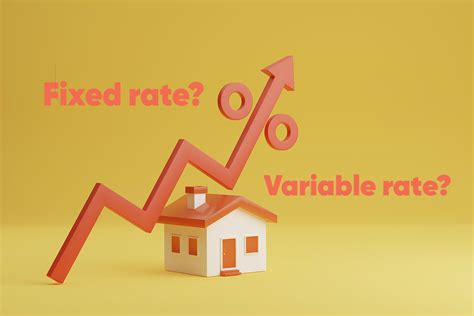
When embarking on a construction project, understanding financing options is crucial to making informed decisions. One key aspect of this financial landscape is the choice between fixed and variable construction loan rates. Each option has its distinct benefits and drawbacks, shaping the overall cost and financial stability of your project.
In this article, we will delve into the intricacies of construction loan rates, exploring how fixed and variable rates work, the factors that influence these rates, and the implications of each choice for your financing strategy. Whether you’re a seasoned builder or a first-time homeowner, our comprehensive guide aims to equip you with the knowledge needed to select the best option for your unique circumstances. Join us as we navigate the complexities of construction loan rates and help you make informed decisions on your journey to building the home of your dreams.
Understanding Construction Loan Rates: Fixed vs. Variable Explained
When considering construction loans, one of the key factors that borrowers must evaluate is the type of interest rate they will be subject to: fixed or variable. Understanding the differences between these rates is crucial for making informed financial decisions.
A fixed interest rate remains constant throughout the life of the loan, providing borrowers with stability and predictability in their monthly payments. This can be particularly beneficial for those who prefer a clear financial plan, as it protects against potential interest rate increases during the construction period. With a fixed rate, borrowers can budget effectively and may find it easier to manage their finances over the long term.
In contrast, a variable interest rate, also known as an adjustable rate, can fluctuate based on market conditions and indexes. While variable rates often start lower than fixed rates, they carry the risk of increasing over time, which can lead to higher monthly payments than initially anticipated. Borrowers who choose variable rates might benefit from lower payments in the early stages of their loan but should be prepared for possible rate hikes in the future.
Choosing between a fixed and variable interest rate on a construction loan ultimately depends on individual financial situations, risk tolerance, and the overall economic climate. Understanding these distinctions can help guide borrowers in selecting the best option for their specific needs and future plans.
Factors Influencing Construction Loan Rates for Better Decision-Making
When considering a construction loan, understanding the various factors that influence interest rates can significantly impact your financial outcomes. Here are the key elements that can affect construction loan rates:
- Credit Score: Lenders typically look at your credit score to assess risk. A higher credit score may qualify you for lower rates.
- Loan Amount: Larger loan amounts may result in higher interest rates due to increased risk for lenders.
- Loan-to-Value Ratio (LTV): A lower LTV ratio typically indicates less risk for the lender, potentially leading to better rates. The LTV is calculated by dividing the loan amount by the appraised property value.
- Market Conditions: Economic factors, such as inflation and central bank interest rates, can influence the overall market rates for loans, including construction loan rates.
- Location: The geographical area where the property is located can impact rates; some markets may have higher risks associated with development.
- Type of Construction: The nature of the construction project (e.g., residential, commercial, or renovation) can also affect the loan terms and rates.
- Repayment Terms: Shorter repayment terms often come with lower interest rates, while longer terms may lead to higher overall costs.
By understanding these factors, you can make informed decisions when selecting your construction loan and managing your finances effectively throughout the construction process.
How Fixed Construction Loan Rates Provide Stability for Borrowers
When it comes to managing finances, especially in the realm of construction loans, certainty can be a significant advantage. Fixed construction loan rates are designed to offer borrowers a consistent payment schedule throughout the life of the loan. This stability can be particularly beneficial in a variety of ways:

- Predictable Monthly Payments: With fixed rates, borrowers can easily budget for monthly payments, as they know exactly how much will be due each month. This predictability simplifies financial planning and reduces anxiety over fluctuating payments.
- Protection Against Market Fluctuations: Fixed rates shield borrowers from potential increases in interest rates, which can happen due to market volatility. This means that, regardless of economic conditions, your rate and payments remain unchanged.
- Long-Term Financial Stability: For projects with longer timelines, having a fixed rate can ensure that financing remains stable, allowing borrowers to focus on their construction project rather than worrying about potential rate hikes.
- Easier Comparison of Loan Options: Fixed rates make it straightforward to compare loans from different lenders, as borrowers won’t have to calculate various scenarios based on potential rate changes.
- Encourages Long-Term Investments: Knowing that the loan terms won’t change can provide borrowers with the confidence needed to invest in larger or more ambitious construction projects without the fear of overwhelming costs later on.
Choosing a fixed rate for your construction loan can significantly contribute to financial security and peace of mind. It allows borrowers to navigate their projects without the added stress of fluctuating interest rates, thereby facilitating a more focused and successful construction experience.
Advantages and Risks of Variable Construction Loan Rates You Should Know
When considering construction loan options, many borrowers are often attracted to variable interest rates due to their potential for lower initial costs. However, this type of financing comes with both advantages and risks that are crucial to understand before making a decision.
Advantages of Variable Construction Loan Rates
- Lower Initial Rates: Variable rates are often lower than fixed rates at the outset, which can result in lower monthly payments in the initial period of the loan.
- Potential for Decreasing Rates: If interest rates in the market decrease, borrowers can benefit from lower payments without needing to refinance.
- Flexibility in Payment Structure: Variable loans may come with flexible terms that allow for adjustments based on financial circumstances and market conditions.
Risks of Variable Construction Loan Rates
- Rate Fluctuations: The primary risk with a variable rate loan is that rates can increase during the life of the loan, leading to higher monthly payments than originally anticipated.
- Budgeting Challenges: Since payments can change significantly, it can complicate personal budgeting and long-term financial planning for borrowers.
- Potential for Payment Shock: If interest rates rise sharply, borrowers may experience a significant increase in their payment amount, which can strain finances.
While variable construction loans can offer attractive initial rates and flexibility, they come with inherent risks that should be carefully weighed against the borrower’s financial situation and risk tolerance. Understanding these factors will help you make a well-informed decision when choosing between fixed and variable construction loan rates.
Comparing Construction Loan Rates: Which Option Is Right for You?
When selecting the right construction loan, understanding the differences between fixed and variable interest rates is crucial. Each option presents unique advantages and potential drawbacks that can significantly impact your financial planning.

1. Assess Your Financial Situation: Before making a decision, evaluate your current financial health, including your credit score, income, and overall debt. This assessment can help you decide which loan type might be more manageable for your situation.
2. Consider the Project Timeline: If your construction project has a clearly defined timeline, a fixed interest rate may offer peace of mind, ensuring that your payments remain stable throughout the project’s duration. However, if there’s flexibility and you might extend timelines, variable rates could save you money.
3. Risk Tolerance: Understand your comfort level with financial risks. Fixed rate loans provide certainty and protection against market fluctuations. In contrast, if you’re willing to take on some risk, a variable rate might offer lower initial costs, especially if rates remain steady.
4. Market Trends: Keep an eye on economic indicators and market trends. If interest rates are low or expected to drop further, a variable rate could be advantageous. Conversely, in a rising interest rate environment, locking in a fixed rate may prove wiser.
5. Long-Term vs. Short-Term Goals: Think about your long-term financial goals. If you plan to stay in the property long after the construction is complete, a fixed rate may offer security over time. Alternatively, if you plan to sell soon after construction, the initial lower rates of a variable loan could be appealing.
6. Consult a Financial Advisor: If you’re still uncertain, consulting a financial advisor can provide tailored advice based on your circumstances, helping you choose the most suitable construction loan option.
By carefully comparing construction loan rates and understanding your individual needs and market conditions, you can make an informed decision that aligns with your financial goals.
Frequently Asked Questions
What are construction loan rates?
Construction loan rates refer to the interest rates applied to loans specifically taken out for building or renovating a property. These rates can vary based on factors like loan term, lender, and the borrower’s credit profile.
What is the difference between fixed and variable interest rates?
Fixed interest rates remain constant throughout the life of the loan, providing consistent monthly payments. In contrast, variable interest rates can fluctuate based on market conditions, potentially leading to lower initial payments but uncertainty over time.
What are the advantages of fixed interest rates for construction loans?
Fixed interest rates offer borrowers predictability in their payments, shielding them from market rate increases. This stability makes budgeting easier and can provide peace of mind during the construction process.
What are the potential benefits of choosing a variable interest rate?
Variable interest rates often start lower than fixed rates, which can result in lower initial monthly payments. If market rates decline, borrowers may benefit from reduced payments over time.
How do market conditions influence construction loan rates?
Market conditions, including economic indicators like inflation and Fed interest rate decisions, can influence the overall demand and supply for loans, thus affecting both fixed and variable interest rates.
Are there risks associated with variable interest rates?
Yes, the primary risk is that variable interest rates can increase, leading to higher monthly payments and potentially exceeding the borrower’s budget. Borrowers need to prepare for potential fluctuations in their repayment amounts.
How can borrowers decide between fixed and variable interest rates?
Borrowers should consider their financial stability, risk tolerance, and the duration of the construction project when choosing between fixed and variable rates. It’s also advisable to compare different lenders and consult with a financial advisor.
Leave a Reply