
In the realm of construction financing, your credit score is more than just a number; it’s a vital factor that can significantly influence your loan’s approval and interest rates. As potential homeowners and builders embark on their construction journey, understanding the nuances of credit scores is paramount.
From their calculation to their impact on loan terms, this article will explore how credit scores shape the financial landscape for construction loans. By delving into the effects of credit scores on both approval processes and interest rates, we aim to equip you with the knowledge necessary to improve your financial standing and secure favorable loan conditions. Join us as we uncover the long-term implications of credit scores on your financial health and offer insightful tips for enhancing your creditworthiness.
Understanding Credit Scores And Their Calculation
Credit scores play a significant role in determining your eligibility for loans, particularly construction loans. They are a numerical representation of your creditworthiness, typically ranging from 300 to 850. The higher your score, the better your chances of obtaining favorable loan terms.
Credit scores are calculated using several key factors:
- Payment History (35%): This is the most significant factor. Lenders want to see that you have a history of making payments on time.
- Credit Utilization (30%): This refers to the amount of credit you are using compared to your total available credit. Keeping utilization below 30% is ideal.
- Length of Credit History (15%): A longer credit history can be beneficial, as it gives lenders more information to assess your reliability.
- Types of Credit (10%): A mix of different types of credit accounts (like credit cards, auto loans, and mortgages) can positively impact your score.
- Recent Credit Inquiries (10%): Each time you apply for credit, a hard inquiry is made, which can slightly lower your score. Too many inquiries in a short period can be viewed negatively.
Understanding these components will help you manage your credit score effectively, thus positively influencing the impact it has on your ability to secure a construction loan at favorable interest rates.
How Credit Score Affects Construction Loan Approval
Your credit score plays a crucial role in determining not only the interest rates of your construction loan but also whether your loan application will be approved. Lenders view your credit score as an indicator of your creditworthiness, which reflects your ability to repay debts based on your past credit behaviors.
When applying for a construction loan, lenders typically have a minimum credit score requirement. A higher credit score enhances your chances of obtaining loan approval, while a lower score might lead to rejection. Generally, lenders prefer borrowers with a credit score of at least 680 for construction loans, although some may consider lower scores with compensating factors.
If you fall below the desired credit score threshold, lenders may see you as a higher risk. This perception can result in stricter loan terms, a larger down payment requirement, or in some cases, outright denial of the application. In contrast, borrowers with strong credit histories and high credit scores may not only receive approval more easily but also enjoy favorable terms, including lower interest rates.
Moreover, lenders may conduct an in-depth analysis of your credit profile, looking at factors such as payment history, credit utilization ratio, and the length of your credit history. This comprehensive review helps them assess your risk level and decide on the best course of action regarding your construction loan application.

Maintaining a healthy credit score is vital to ensure not only your approval for a construction loan but also to secure better loan terms and interest rates. With the right financial habits, you can influence your credit score positively, paving the way for a smoother loan application process.
The Impact Of Credit Score On Loan Interest Rates
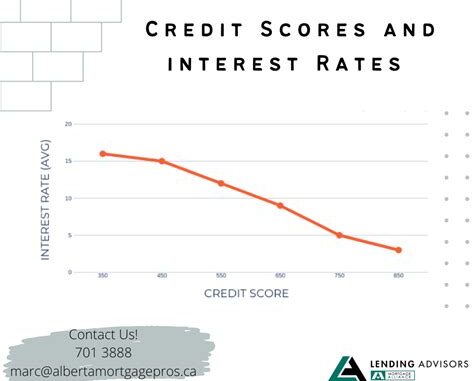
Understanding The Impact of your credit score on loan interest rates is crucial for anyone applying for a construction loan. Lenders utilize credit scores as a primary factor in assessing the risk associated with borrowing to fund construction projects. A higher credit score signals to lenders that you have a history of managing credit responsibly, thereby making you a more attractive candidate for favorable loan terms.
Typically, borrowers with higher credit scores are offered lower interest rates. This can lead to substantial savings over the life of a loan. For example, a difference of just a few percentage points in your interest rate can result in thousands of dollars in additional payments over a 15 or 30-year mortgage term.
Conversely, those with lower credit scores may face higher interest rates, which can significantly increase the overall cost of construction financing. Borrowers with poor credit scores often find themselves categorized as higher risk, prompting lenders to charge more for the potential risk of default.
Moreover, the impact of your credit score on interest rates can vary widely among different lenders. It is essential to shop around and assess loan options from multiple financial institutions. Some lenders may be more lenient with their credit score requirements or have specific programs designed for borrowers with slightly lower scores, thereby offering competitive interest rates despite an individual’s credit history.
Maintaining a healthy credit score not only improves your chances of loan approval but also plays a significant role in determining the interest rates you will receive. By understanding the impact of credit scores on your loan options, you can make informed decisions that ultimately save you money and set you on a solid financial path as you embark on your construction journey.

Improving Your Credit Score For Better Loan Terms
Improving your credit score is essential when seeking favorable terms on construction loans. A higher credit score can significantly reduce the interest rates you are offered, thereby lowering your overall borrowing costs. Here are several strategies to enhance your credit score for better loan terms:
- Pay Your Bills On Time: Your payment history is one of the most critical factors affecting your credit score. Make a habit of paying all your bills, such as credit cards and loans, promptly.
- Reduce Credit Card Balances: Aim to keep your credit utilization ratio below 30%. Pay down existing credit card balances to improve this ratio and, consequently, your credit score.
- Avoid Opening New Credit Accounts: Limit the number of new credit inquiries, as these can temporarily lower your credit score. Focus on maintaining your current accounts rather than opening new ones.
- Check Your Credit Report: Regularly review your credit report for inaccuracies. Dispute any errors you find, as they can negatively impact your credit score.
- Maintain Old Credit Accounts: Keeping older credit accounts open can positively affect your credit score, as they contribute to your credit history length.
Implementing these strategies can help improve your credit score over time, leading to better financial terms on construction loans.
Long-Term Effects Of Credit Score On Financial Health
Maintaining a healthy credit score is crucial not just for immediate financial needs but also for long-term financial stability. The impact of credit scores stretches beyond construction loan interest rates; it influences various aspects of financial health and overall borrowing capabilities.
First and foremost, a strong credit score can lead to better interest rates on loans and credit cards over time. This means lower monthly payments, which can help in budgeting and saving more for future goals. Conversely, a poor credit score may result in higher interest rates, leading to increased financial strain.
Additionally, credit scores play a significant role in securing rental agreements. Landlords often check credit scores before approving rental applications. A strong credit history may enable rental opportunities that would otherwise be inaccessible.
Insurance premiums could also be affected by credit scores. Some insurers use credit scores to determine risk levels, meaning those with higher scores might pay less for auto and home insurance. Thus, maintaining a good credit score can yield savings across multiple financial fronts.
Another long-term effect to consider is the ability to leverage credit for investments, such as real estate or business opportunities. Those with favorable credit ratings are more likely to gain access to investment capital, allowing them to capitalize on lucrative opportunities, thereby enhancing their financial portfolios.
It’s essential to recognize that credit scores are a reflection of one’s financial behaviors. They signal to lenders about an individual’s reliability and responsibility in managing debt. Over time, consistently maintaining a healthy credit score can lead to an improved financial reputation, opening doors for better financial products and services.
The impact of credit scores on long-term financial health is profound. By understanding and improving credit ratings, individuals can foster financial resilience, access better financial products, and ultimately achieve their long-term financial goals.

Frequently Asked Questions
What is a credit score?
A credit score is a numerical representation of a borrower’s creditworthiness, calculated based on their credit history, outstanding debts, payment history, and other financial behaviors.
How does a credit score affect construction loan interest rates?
A higher credit score typically leads to lower interest rates on construction loans, as lenders view borrowers with high scores as less risky. Conversely, a lower credit score can result in higher interest rates or even loan denial.
What is considered a good credit score for a construction loan?
Generally, a credit score of 700 or above is considered good for securing favorable terms on a construction loan, while scores of 620 or below may pose challenges.
Can I improve my credit score before applying for a construction loan?
Yes, you can improve your credit score by paying off existing debts, making timely payments, reducing credit utilization, and checking your credit report for any inaccuracies.
Do all lenders use the same credit score model?
No, different lenders may use various credit scoring models, such as FICO or VantageScore, which can lead to varying scores based on the same credit history.
What other factors, besides credit score, influence construction loan interest rates?
Other factors include the loan amount, the borrower’s income, the loan-to-value ratio, market conditions, and the borrower’s overall financial stability.
Is it possible to qualify for a construction loan with bad credit?
While qualifying for a construction loan with bad credit is challenging, some lenders specialize in high-risk loans, though the terms may be less favorable with higher interest rates.
Leave a Reply