
In today’s dynamic real estate environment, staying informed about current construction loan rates is essential for homeowners and builders alike. As you embark on your construction journey, understanding the nuances of these rates can empower you to make informed financial decisions.
This article will break down the essential aspects of current construction loan rates, from key influencing factors to qualification requirements. We’ll also provide a comparison of rates across different lenders and offer expert tips on securing the best deal available.
Whether you’re building your dream home or investing in a new project, our comprehensive guide will equip you with the knowledge you need to navigate the construction loan landscape effectively. Let’s delve into the critical insights you need to optimize your financing options!
Understanding Current Construction Loan Rates
Understanding Current Construction loan rates is essential for anyone looking to finance a new home or renovation project. These rates can greatly affect your overall borrowing costs and, ultimately, your financial strategy. Typically, construction loans are short-term loans tailored specifically for financing the costs associated with building a new home or major renovations. Unlike traditional mortgages, these loans are disbursed in stages as the construction progresses, which means they come with unique features and risks.
Unlike other types of mortgages, current construction loan rates can fluctuate based on various factors, including the overall economic climate, the borrower’s creditworthiness, and the specific terms of the loan. As a borrower, it is crucial to be aware of these rates, as they can affect your monthly payments and the total interest paid over the life of the loan.
Typically, current construction loan rates are higher than conventional mortgage rates due to the increased risk lenders take when funding these projects. Additionally, these loans generally have variable interest rates that may change during the loan term, reflecting broader shifts in market conditions.
To make well-informed decisions, it is beneficial for borrowers to stay updated on the latest trends in current construction loan rates, which can be tracked through various financial news outlets, lender websites, or mortgage rate comparison tools. This knowledge will empower potential borrowers to negotiate better terms and choose the loan that aligns best with their financial goals.
Factors Influencing Current Construction Loan Rates
When considering current construction loan rates, several factors come into play that can affect both interest rates and loan terms. Understanding these factors can help you navigate your financing options more effectively.
- Economic Conditions: The overall state of the economy, including factors like inflation, employment rates, and economic growth, can significantly impact current construction loan rates. A strong economy typically leads to higher borrowing costs, while a recession may lower rates.
- Credit Score: Your credit score is one of the most crucial determinants of the interest rate you receive on a current construction loan. Lenders use credit scores to assess the risk of lending money. A higher score usually means lower rates.
- Loan-to-Value (LTV) Ratio: The LTV ratio represents the loan amount relative to the appraised value of the property. A lower LTV generally indicates less risk for lenders, which can translate to more favorable current construction loan rates.
- Loan Term: The length of the loan can also influence rates. Shorter loan terms often come with lower interest rates compared to longer terms due to reduced risk over time for lenders.
- Market Demand: Demand for construction loans can fluctuate based on trends in the real estate market. High demand generally leads to increased rates, while lower demand may make lenders more competitive, driving rates down.
- Lender Policies: Different lenders have varying underwriting criteria and rates. It’s essential to compare offers from multiple financial institutions to understand what factors influence their specific rates.
By taking these factors into account, borrowers can make informed decisions and better strategize on how to secure the best possible current construction loan rates.
How To Qualify For Current Construction Loans
Qualifying for current construction loans can be a multifaceted process that requires careful preparation and understanding of your financial situation. Here are some key factors and steps to help you navigate this process effectively:
- Credit Score: Most lenders require a minimum credit score, typically ranging from 620 to 700. A higher score can improve your chances of securing favorable rates.
- Debt-to-Income Ratio (DTI): Lenders prefer a DTI ratio of 43% or lower, meaning your monthly debt payments should not exceed 43% of your gross monthly income. Lowering your existing debts can boost your chances.
- Down Payment: A substantial down payment, often ranging from 10% to 20%, is typically required for current construction loans. The more you can put down, the better your terms might be.
- Proof of Income: Providing documentation such as pay stubs, tax returns, and bank statements demonstrates your income stability and ability to repay the loan.
- Project Plan: A detailed construction plan and budget can significantly enhance your application. Lenders want to see a clear roadmap of how you intend to use the funds.
- Builder Credentials: If you’re hiring a contractor, their qualifications and track record can influence your loan’s approval. Ensure the builder is licensed and insured.
By focusing on these areas, you can enhance your eligibility for current construction loans and increase your chances of obtaining favorable rates.
Comparing Current Construction Loan Rates Across Lenders
When searching for the best financing options, it’s essential to compare current construction loan rates from different lenders. Each lender may offer varying rates and terms based on factors like credit score, debt-to-income ratio, and loan amount. Here are several avenues to explore while making your comparisons:
- Online Lender Platforms: Utilize online comparison tools that provide side-by-side analysis of rates from multiple lending institutions. These platforms often allow you to filter by specific requirements, helping you find loans that fit your needs.
- Local Banks and Credit Unions: Don’t overlook traditional financial institutions. Local banks and credit unions may offer competitive rates and personalized service that larger lenders might not provide.
- Specialized Construction Lenders: Some lenders specialize solely in construction loans and may offer unique products tailored to these types of projects. Be sure to inquire about specific rates related to their offerings.
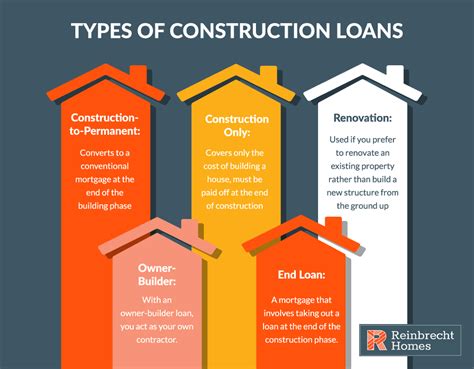
- Loan Types: Understand the difference between various construction loans—such as fixed-rate, variable-rate, and hybrid loans—as they will have different implications on your overall financial strategy.
In addition to interest rates, consider other associated costs such as origination fees, closing costs, and any prepayment penalties. A lower interest rate may not always equate to the best overall deal. Thus, obtaining a Loan Estimate from potential lenders can provide a clearer picture of what you might end up paying throughout the loan term.
Taking the time to meticulously compare current construction loan rates will help you make an informed choice that aligns with your financial goals.
Tips To Secure The Best Current Construction Loan Rates
Securing the best Current Construction loan rates can significantly affect your overall project budget. Here are some essential tips to help you land the best rates possible:
- Improve Your Credit Score: One of the most pivotal factors in obtaining favorable rates is your credit score. Aim for a score above 700 to qualify for lower rates. Check your credit reports for errors and address any issues before applying.
- Shop Around: Different lenders offer varying rates and terms. Make sure to compare offers from multiple lenders, including banks, credit unions, and online lenders, to find the most competitive rate.
- Consider a Larger Down Payment: A larger down payment can demonstrate your commitment to the project and reduce the lender’s risk. This may result in lower interest rates.
- Choose a Shorter Loan Term: If feasible, opt for a shorter loan term. Though monthly payments might be higher, the interest rates are usually lower compared to longer-term loans.
- Work with a Mortgage Broker: Mortgage brokers can provide insight and access to lenders that you may not be aware of. They can help you navigate the loan process and secure better terms.
- Provide Complete Documentation: Ensure that you have all required documentation ready when applying for the loan. Complete and accurate documentation can expedite the approval process and may result in better loan terms.
- Think About Loan Type: Consider fixed-rate loans versus adjustable-rate loans. Depending on your situation, one may be more beneficial since they can influence your overall costs.
- Be Pre-Approved: Getting pre-approved shows lenders that you are a serious borrower and can streamline the process. This can put you in a better position to negotiate rates.
By following these tips, you can increase your chances of obtaining the best Current Construction loan rates, ultimately saving you money throughout your construction project.

Frequently Asked Questions
What are construction loan rates?
Construction loan rates are the interest rates charged for loans specifically taken out to fund the construction of residential or commercial properties.
How do current construction loan rates compare to traditional mortgage rates?
Current construction loan rates are typically higher than traditional mortgage rates because they are considered riskier by lenders due to the uncertainty involved in the construction process.
What factors influence construction loan rates?
Factors influencing construction loan rates include the borrower’s credit score, the loan-to-value ratio, economic conditions, the type of construction project, and prevailing market interest rates.
What is the typical duration of a construction loan?
Construction loans typically have a duration of 6 months to 2 years, depending on the scope of the project and the lender’s requirements.
What is a fixed-rate construction loan?
A fixed-rate construction loan is a loan where the interest rate remains constant throughout the life of the loan, providing predictability in payment amounts.
Are there any fees associated with construction loans?
Yes, construction loans often come with fees such as origination fees, appraisal fees, inspection fees, and closing costs, which can add to the overall expense of the loan.
Can I convert my construction loan into a traditional mortgage?
Yes, many construction loans offer a conversion option that allows you to transition to a traditional mortgage once the construction is complete, often referred to as a ‘one-time close’ loan.
Leave a Reply